
The Importance of Integrity
We have heard the word before, but what exactly is the importance of integrity? Steph explains why integrity is a quality we should value.

A Reading From First Samuel
First Samuel 12:1-4 says,
Samuel said to all Israel, ‘I have listened to everything you said to me and have set a king over you. Now you have a king as your leader. As for me, I am old and gray, and my sons are here with you. I have been your leader from my youth until this day. Here I stand. Testify against me in the presence of the Lord and his anointed. Whose ox have I taken? Whose donkey have I taken? Whom have I cheated? Whom have I oppressed? From whose hand have I accepted a bribe to make me shut my eyes? If I have done any of these things, I will make it right.’ ‘You have not cheated or oppressed us,’ they replied. ‘You have not taken anything from anyone’s hand.’
First Samuel 12:1-4
The Meaning of Integrity
Integrity is not a word we hear as much as we used to—unless, of course, some public figure is accused of being lacking in this trait. But integrity is important in each and every life.
Google’s definition of integrity is 1) “the quality of being honest and having strong moral principles; moral uprightness” and 2) “the state of being whole and undivided.”
I know we don’t usually think of the correlation between these two definitions, but it’s interesting to consider the idea that we can’t be truly whole without being honest and of strong moral character.
Samuel’s Words
Samuel had some pretty harsh words to say to those gathered before him, but instead of launching right into the matter at hand, their repeated disobedience before God, he asked them a series of questions. He knew the right answer to every question—and so did the crowd. Their response showed that they knew Samuel was a man of integrity. They had no reason to accuse him of wrongdoing. He had earned the right to address the people openly and honestly—even if they wouldn’t like what he had to say.
The Importance of Integrity In Our Lives
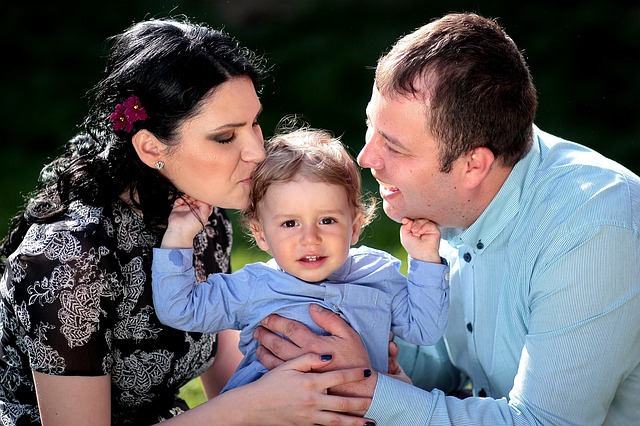
Have you found that to be true in your own life? When someone seeks to warn or correct us, do we not take it better from an individual we know we can trust, one we know truly cares for us, a person of integrity?
Now, I’m not saying it’s ever easy. I would venture to say that for most of us, our first response is to become defensive. It’s that fight or flight reaction. We either want to run away and hide or make excuses and say the other person has it all wrong. Though we may do neither physically, these thoughts may run through our mind.
A Conversation With a Friend
I remember clearly a conversation I had with a dear friend many years ago. She mentioned a concern she had for my young son and his behaviour—and I know she did so because she genuinely cared about me and my family. However, I was hurt and at least a little resentful.
But then God reminded me of something. Proverbs 3:12 says,
The Lord disciplines those he loves.
Proverbs 3:12
All of a sudden I saw things from a different perspective. If the Lord was showing me an area that needed my attention, I knew it was evidence of His love for me. It became much easier to deal with.
Though there are times we may have to deal with warnings, corrections, and criticisms from those we are not close to, those we would not call friend, it doesn’t mean we can’t look past them to the Lord, who may very well be seeking to teach us something in the process.
What Does This Mean To Us?
We, too, must become people of integrity. Honesty and truthfulness are incredibly important. As a parent, think of your children. If you’ve ever caught them in a lie, was it more difficult to take them at their word the next time? Of course. And it’s true of us, as adults, as well.
Now, let me just say this. Some people confuse honesty with saying everything that pops into their mind and that is usually not a good idea. I like the acronym THINK, attributed to Michael Josephson. Before we speak, we should ask ourselves the following questions: “Is it true? Is it helpful? Does it inspire confidence? Is it necessary? Is it kind?” These are great filters to use before we speak.
If we show genuine concern for others . . . if we love them with the love of the Lord . . . if they know we are people of integrity . . . it will be much more likely that they will be willing to consider what we have to say to them. The same holds true for our children.
Love For Our Children
Some of you may think, “Of course my children know I love them.” While this may be true on some level, each child is unique. The 5 Love Languages by Gary Chapman is an insightful resource to help us understand ourselves and others, including our children, better. The author names five categories that are important to each person to varying degrees. These include “words of affirmation, acts of service, receiving gifts, quality time, and physical touch.”
While our children ought to respect us—and we ought to give them reason to do so—our homes will almost certainly be more peaceful places and our children will be more willing to consider our correction if they are secure in our love for them.
Samuel Asked Important Questions
Samuel asked questions about things that would have been important to the people he is addressing. By our words and actions, we, as parents, should seek to do the same.

Do you strive for integrity? How? We would love to hear from you. Share your comment below or contact us at HopeStreamRadio.



Leave a Reply